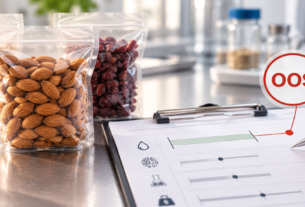
A new food product’s shelf life should not simply be copied from a similar product or chosen for marketing convenience. Shelf life is the period during which a food maintains its safety and/or quality under reasonably foreseeable conditions of distribution, storage, and use. [1] Establishing it therefore means understanding how a particular product changes over time and what is most likely to limit its usable life.
Similar Products Are Not the Same Product
Two foods that look similar can behave very differently during storage. Formulation and other characteristics of the food, together with processing, packaging, temperature, and storage conditions, can influence both safety and quality. Because these factors vary from product to product, there is no single generic method for establishing food shelf life. [1]
Finding What Limits Shelf Life
The factor that ultimately limits shelf life depends on the product. It might involve microbial growth or spoilage, changes in flavor or aroma, loss of texture, oxidation and rancidity, moisture changes, discoloration, or physical instability such as separation.
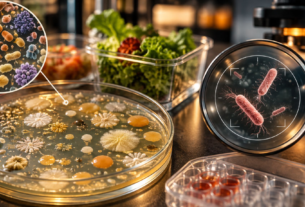
Establishing shelf life therefore requires identifying the changes most relevant to the particular food and determining how they develop during storage. Shelf-life assessment may involve microbiological, sensory, chemical, and physical measurements rather than relying on a single test. [1][2]
Safety and Quality Are Different Questions
A food can lose acceptable quality before it becomes unsafe. Conversely, for some products, particularly certain temperature-controlled foods, microbiological hazards can become an important factor in determining shelf life.
This distinction also helps explain why “best before” and “use by” dates do not communicate exactly the same thing. Decisions about date marking should be made product by product, considering relevant hazards, product characteristics, processing, and storage conditions. [3]
A shelf-life study should therefore not automatically be treated as a pathogen study.
Storage Conditions Define the Claim
A stated shelf life only makes sense in relation to particular storage conditions. Temperature, packaging, atmosphere, moisture, and other environmental conditions can influence how quickly a food changes.
Shelf-life validation should therefore reflect reasonably foreseeable conditions of distribution, storage, and use. [1] Testing a product under conditions substantially different from those it will encounter in the marketplace can produce conclusions that do not accurately represent its actual shelf life.
What Happens During a Shelf-Life Study?
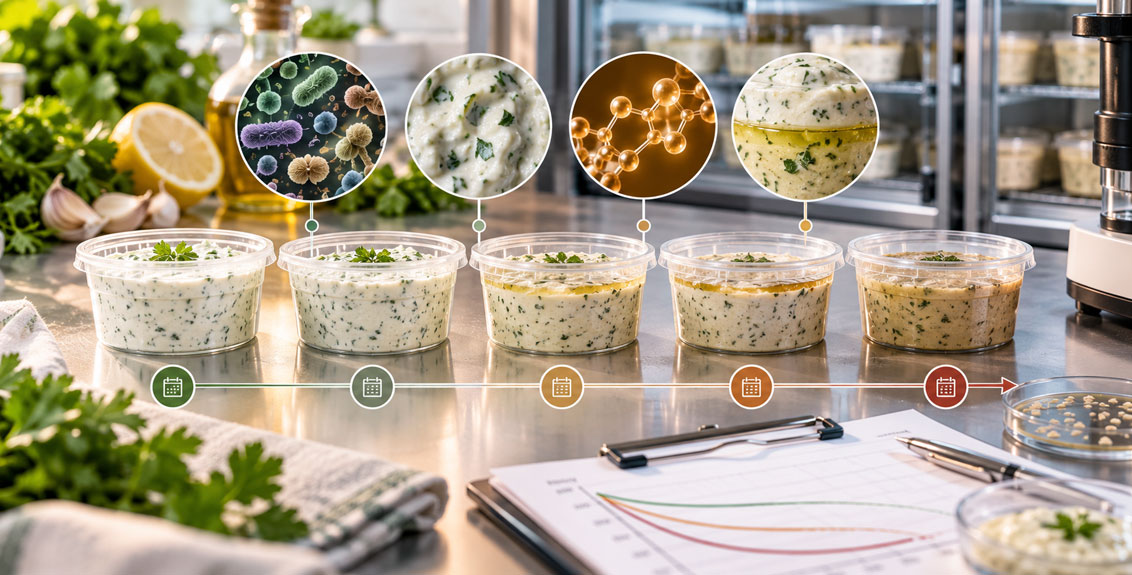
Representative product samples can be examined at planned points during storage so that relevant changes can be followed over time. Depending on the food, investigators may assess microbiological status alongside sensory, chemical, or physical characteristics. [1][2]
This is important because shelf life is rarely determined by one observation made on one particular day. The objective is to understand the product’s pattern of change and establish a supportable endpoint.
Real-Time and Accelerated Testing
In real-time testing, the product is followed under conditions intended to represent its normal storage period.
Accelerated testing takes a different approach by using controlled conditions that speed certain deterioration processes, allowing information about stability to be obtained sooner. However, accelerated approaches must be appropriate to the product and the deterioration mechanism being studied. [2]
They should not automatically be assumed to reproduce every microbiological, sensory, chemical, or physical change that occurs during normal storage.
Consider a Refrigerated Dip
Suppose a manufacturer hopes to assign a refrigerated dip a 30-day shelf life.
The real question is not simply whether one container still looks acceptable on Day 30. The manufacturer needs evidence showing how relevant characteristics change during storage and what ultimately limits the product’s usable life.
Microbiological results might remain acceptable while flavor or texture deteriorates earlier. In another product, quality might remain satisfactory while a microbiological consideration becomes limiting.
When Should Shelf Life Be Reassessed?
Changes in formulation, ingredients, processing, packaging, or storage conditions can alter the assumptions on which an original shelf-life determination was based. Their significance should therefore be evaluated, and shelf life reassessed when appropriate.
The central principle is simple: shelf life belongs to the specific product under specified conditions. Establishing it requires evidence about how that product behaves over time—not simply a date selected in advance.
References & Sources
[1] Food Safety Authority of Ireland (FSAI). Guidance Note 18: Validation of Product Shelf-life (Revision 5). Food Safety Authority of Ireland. Published November 4, 2022. Evidence type: Government food-safety guidance. The official FSAI publication page confirms both Revision 5 and the publication date. FSAI — Guidance Note 18: Validation of Product Shelf-life – Link
[2] Bianchi A, Venturi F. Enhancing the Shelf Life of Food Products: Strategies, Challenges, and Innovations. Foods. 2025;14(23):4034. DOI: 10.3390/foods14234034. PMID: 41375972. PMCID: PMC12692103. Evidence type: Peer-reviewed journal editorial/overview. PubMed Central (PMC)
PubMed — Bianchi & Venturi – Link
[3] EFSA Panel on Biological Hazards (BIOHAZ), Koutsoumanis K, Allende A, Alvarez-Ordóñez A, et al. Guidance on date marking and related food information: part 1 (date marking). EFSA Journal. 2020;18(12):e06306. DOI: 10.2903/j.efsa.2020.6306. PMID: 33304412. PMCID: PMC7709047. Evidence type: Scientific guidance/opinion from the European Food Safety Authority. PubMed – EFSA Journal — Guidance on Date Marking, Part 1 – Link
Important Keywords
food shelf life testing, food product shelf life, shelf life study, determining food shelf life, food stability testing, microbiological shelf life, accelerated shelf life testing
Disclaimer
This article provides general educational information. Shelf-life requirements and appropriate testing depend on the individual product, process, packaging, storage conditions, intended market, and applicable regulatory requirements. Consult a qualified food scientist, food-safety professional, or relevant regulatory authority when establishing or changing the shelf life of a particular product.
What do you feel about this post?

Like

Love

Happy

Haha
Sad